

- December 23, 2025
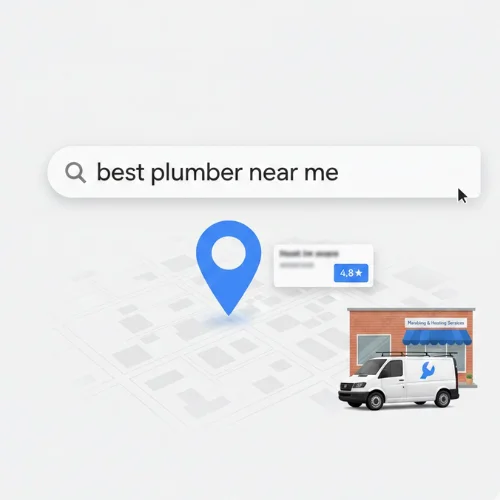
Local search marketing is important because it matters for shops, clinics, cafes, and home services. It should not be ignored because most customers search on phones. They search for “near me” answers and expect fast results.
If a business doesn’t appear in local searches, the clients will definitely go to competitors. GoMedia helps local businesses win. We focus on small business SEO, local search optimization, and help brands get found in maps and search results.
In this guide, we’ll explain local search marketing step by step. It’ll also help you know why many businesses get unexpected results when they ignore these things.
What is local search marketing?
Simply, it means making sure your business appears when people search for something in your area. These searches are like “plumber near me” or “best brunch in [city].” The goal is simple: make sure local customers can find you easily.
It is not the same as general SEO. SEO works for improving your visibility in searches, generally for a broader topic, while local search marketing focuses on attracting the people who are ready to engage or take action in nearby areas. It uses maps, local listings, and location signals, and also builds trust by using reviews.
Professionals handle it using a mix of strategies. These strategies include listing optimization, local content, reputation work, and local links. All of these parts mix to give better performance.
Why local search optimization is critical for local businesses
Most customers search before they buy. Many search when they are ready to buy something. For example, someone who types “open now” or “near me” might want to engage on the same day.
Local search helps turn people’s interest into real actions. It also helps you get more calls, map views, visits, and even online bookings. These results matter for small businesses.
GoMedia follows an outcome-based strategy. Our team focuses on local signals that bring consistent results.
Core signals used by local search ranking
Search engines use many signals for local rankings. The most important are:
- Name-Address-Phone consistency: This is called NAP. The listing name, address, and phone should be the same across sites.
- Google Business Profile signals: GBP data, photos, posts, and categories matter.
- On-page signals: Local keywords, schema markup, and location pages help.
- Reviews: Quantity, quality, and responses also matter.
- Local links and citations: When your business gets mentioned on local sites and directories, it looks more trustworthy.
- Behavioral signals: When traffic clicks, calls, and asks for a response, it tells Google the site is useful.
GoMedia checks each signal carefully and finds weak spots and fixes them step by step. These small fixes matter, really.
Why is Google Business Profile the Starting Point for Local SEO?
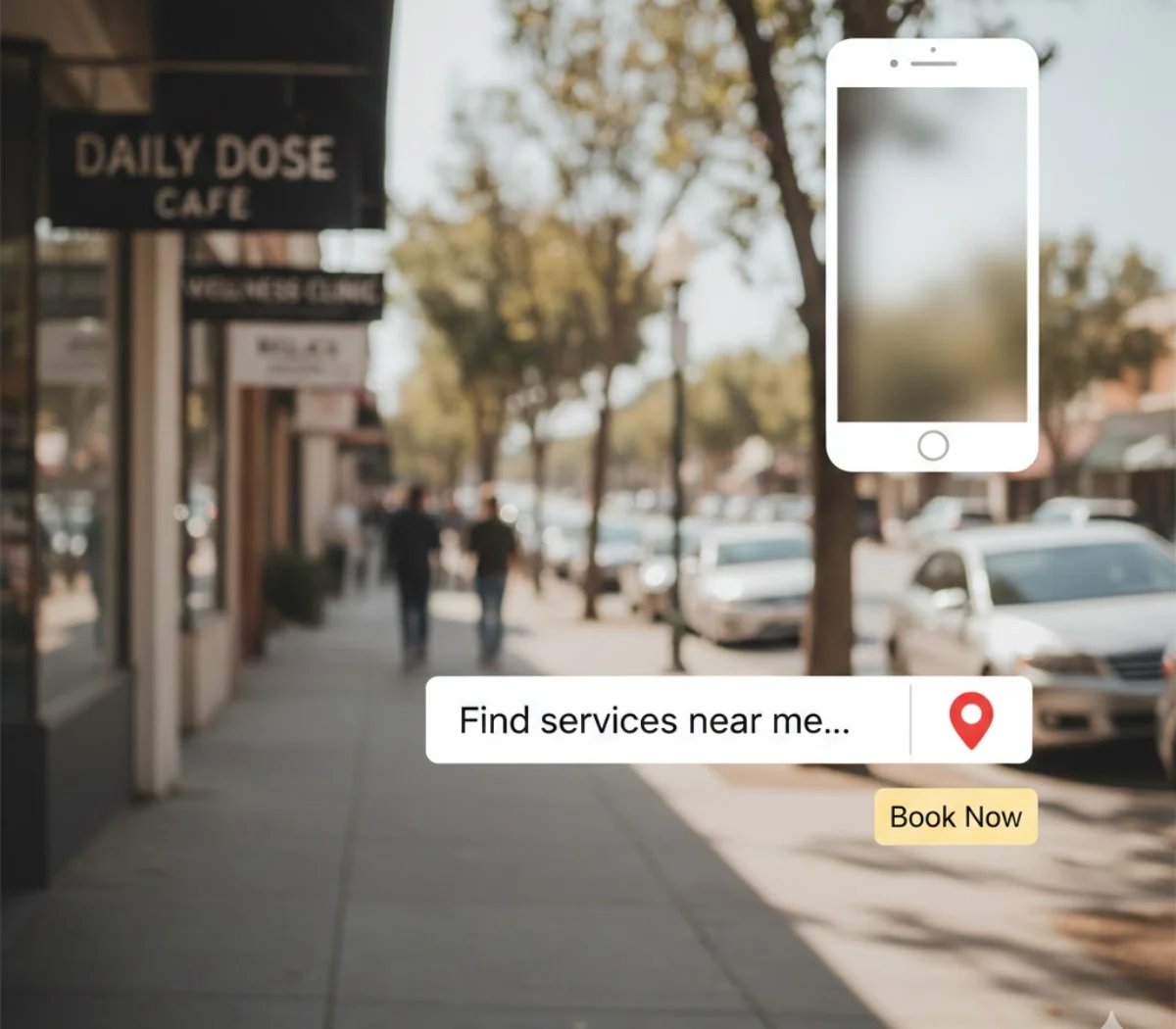
Google Business Profile is the most important local listing. It appears in maps and local packs showing hours, phone, photos, and reviews.
A complete GBP is easier to rank. But only when it has accurate categories, current hours, good photos, regular posts, and timely replies. Our team sets a high focus on GBP as it optimizes the title, description, and categories.
And choose photos carefully. They make posts that clearly show offers and events. These small updates boost local SEO visibility.
How Does Local Keyword Research Differ from National Keyword Work?
The difference between local and national keyword research comes down to intent, scope, and how pages are built.
Local keyword research is place-driven and action-oriented. People searching locally usually want something now and nearby. Queries include location signals like city names, neighborhoods, or “near me.” The goal is visibility in map results, local packs, and service searches tied to a physical area.
Examples:
- emergency plumber in Chicago
- dentist near me
- car repair Brooklyn
Local SEO focuses on:
- One service per page, tied to one location
- Google Business Profile alignment
- Local schema, reviews, and proximity signals
National keyword research, on the other hand, is broader and more informational or comparative. The searcher isn’t tied to a specific location and is often researching options, learning, or evaluating solutions.
Examples:
- best CRM software
- how semantic SEO works
- keyword research tools comparison
National SEO focuses on:
- Topic depth and authority
- Entity coverage and internal linking
- Content that ranks across regions, not places
The Core Difference
Local SEO answers “Who can help me near where I am?”
National SEO answers “What is the best option overall?”
Because the intent is different, the strategy, page structure, and optimization approach have to be different too.
GoMedia assigns a specific keyword to a specific page to ensure each page has a clear purpose. They include meta tags, headings, and body text in local phrases naturally. Adding a local schema (JSON-LD) helps search engines understand the location intent properly.
There are also location pages available, but they matter for multi-site or multi-service agencies. Each page needs unique content, so the copy should give local features and local photos.
Why Are Reviews and Reputation Management Important?
Reviews matter for trust and ranking, and they also affect shoppers and search engines. When you get positive reviews, they increase clicks, telling search engines the business is valuable.
Collecting & Responding to Reviews
GoMedia helps you collect reviews. We create simple ways to ask for reviews, like through emails, texts, or receipts, and sometimes also teach staff how to ask customers directly and politely.
Replying to reviews is also important. A quick and friendly response shows the business cares and also helps boost local search rankings.
What Are Citations and Why Do They Matter?
The citation portions include the mentions of name, address, and phone number across the web. As they appear on directories, local blogs, and business listings so their consistency matters.
Auditing and Fixing Citation Issues
GoMedia checks all your online listings for errors and fixes wrong details, removes duplicates, and makes sure everything matches. This helps both customers and search engines trust your business more.
Some common citation sources are local chambers of commerce, Yelp, industry directories, and big data listing sites. When you fix your info on these, it helps build trust and improve local search rankings.
How Does Local Content Build Community Connections?
Local content connects the brand to local areas. It covers local events, partnerships, and neighborhood guides.
Create Content That Feels Local and Builds Trust
GoMedia also helps businesses create short local articles, event recaps, and customer stories. The content is simple and uses local names and places. Doing so encourages clients to engage more.
Supporting local teams or events builds community trust. When a business supports a local team or volunteers, it gains mentions on local sites, and these mentions help local SEO.
Mobile optimization and user experience
Most local searches happen on mobile, so there are many things that must not be ignored, like the pages must load fast and be easy to read. Buttons must be easy to tap.
That’s why our team checks how your site works on mobiles. It reduces image sizes and makes the navigation simple to ensure click-to-call works well.
Better mobile experience increases conversions. Faster pages reduce bounces, which helps both users and local ranking.
Local link building
Local link building is about real connections, and it focuses on local press, business partners, and community pages.
GoMedia gets links from local newspapers, event pages, and different industry associations. Sometimes, a single local link carries more weight than many generic links.
Why are the tools Google, Moz, and BrightLocal Helpful?
Tools are very helpful as they make work visible and measurable. Google Search Console and Google Analytics show you all traffic and queries. Google Business Profile shows views and actions.
Moz helps track local rankings and gives on-page tips while BrightLocal checks citations and watches reviews. These tools make it easier to see local SEO progress.
GoMedia uses a mix of these tools. Our teams read data daily and focus more on trends than single numbers.
What are the Right KPIs for Local Search Marketing
- GBP views and clicks – Show customer interest
- Phone calls and direction requests – Indicate buyer intent
- Local organic visits – Reflect on whether your brand can be found easily
- Conversion rate by channel – Checks the quality of traffic
- Average review rating and volume – Shows brand reputation
GoMedia shows reports in plain language. Every month, we highlight what’s been done and what to do next.
Local SEO audits: where to start
An audit checks listings, website content, reviews, reputation, mobile speed, and local backlinks.
GoMedia begins with a local audit. It creates a clear list in which high-impact fixes are followed by low-impact fixes. In this way, clients get a clear and simple roadmap.
What are the Common local SEO mistakes to avoid
Many small businesses repeat the same errors. These include:
- Different info: Inconsistent business info across sites. It hurts trust.
- Poor GBP setup: Missing categories and unclear photos damage the visibility of your site.
- Ignoring reviews: Unanswered complaints destroy reputation.
- Generic content: When your message sounds like everyone else’s, it can’t get ranked.
- No tracking: Without tracking, you won’t know what’s working.
GoMedia focuses on fixing these errors first because small changes often create big gains.
What are the Local SEO strategies for multi-location businesses
Multi-location businesses need structure first, not shortcuts. Trying to rank multiple locations from one generic page usually creates confusion for both users and search engines.
Each location should have its own dedicated page. That page needs to clearly show that the location is real and active—not just a city name dropped into a template.
At a minimum, every location page should include:
- Accurate business name, address, and phone number (NAP)
- Location-specific business hours
- A Google Map embed showing the exact location
- Real photos of the storefront, interior, or office
- Staff or team details where relevant
- Services offered at that specific location
The map embed does more than help users with directions. It reinforces geographic relevance and connects the page more clearly to the associated Google Business Profile.
Smart Structure for a Stronger Local Presence
The key is consistency without duplication.
Our team builds a structured setup where location pages follow a proven framework, but the content itself stays unique. Templates handle the layout—headings, schema, and internal linking—while local details give each page its own identity.
Each location page is aligned directly with its Google Business Profile, including:
- Clean, location-based URLs
- Local schema (JSON-LD) for address, services, and geo data
- Embedded Google Maps tied to the exact address
- Logical internal links between related locations
This setup helps search engines clearly understand where each location operates and which services belong to it—while giving users the confidence that they’re dealing with a real, nearby business.
Why Are Voice Search and “Near Me” Queries Important for Local SEO?
Voice search is increasing with time. People ask their devices for local help, and queries have also become conversational now. They mostly include “near me” or “open now”.
Local content must sound natural and answer direct questions. GoMedia checks all queries and then makes the pages relate to them.
How Appointments, bookings, and local conversions work
Many local businesses run on appointments. That’s why many businesses choose our local SEO services to make these bookings easier to find in search results.
GoMedia adds booking tools and clear call-to-action buttons to make it easy for customers to take the next step. When a user can book in one click, conversion rates rise, and it reduces friction and increases revenue.
How do We Handle Reputation Repair and Crisis Management?
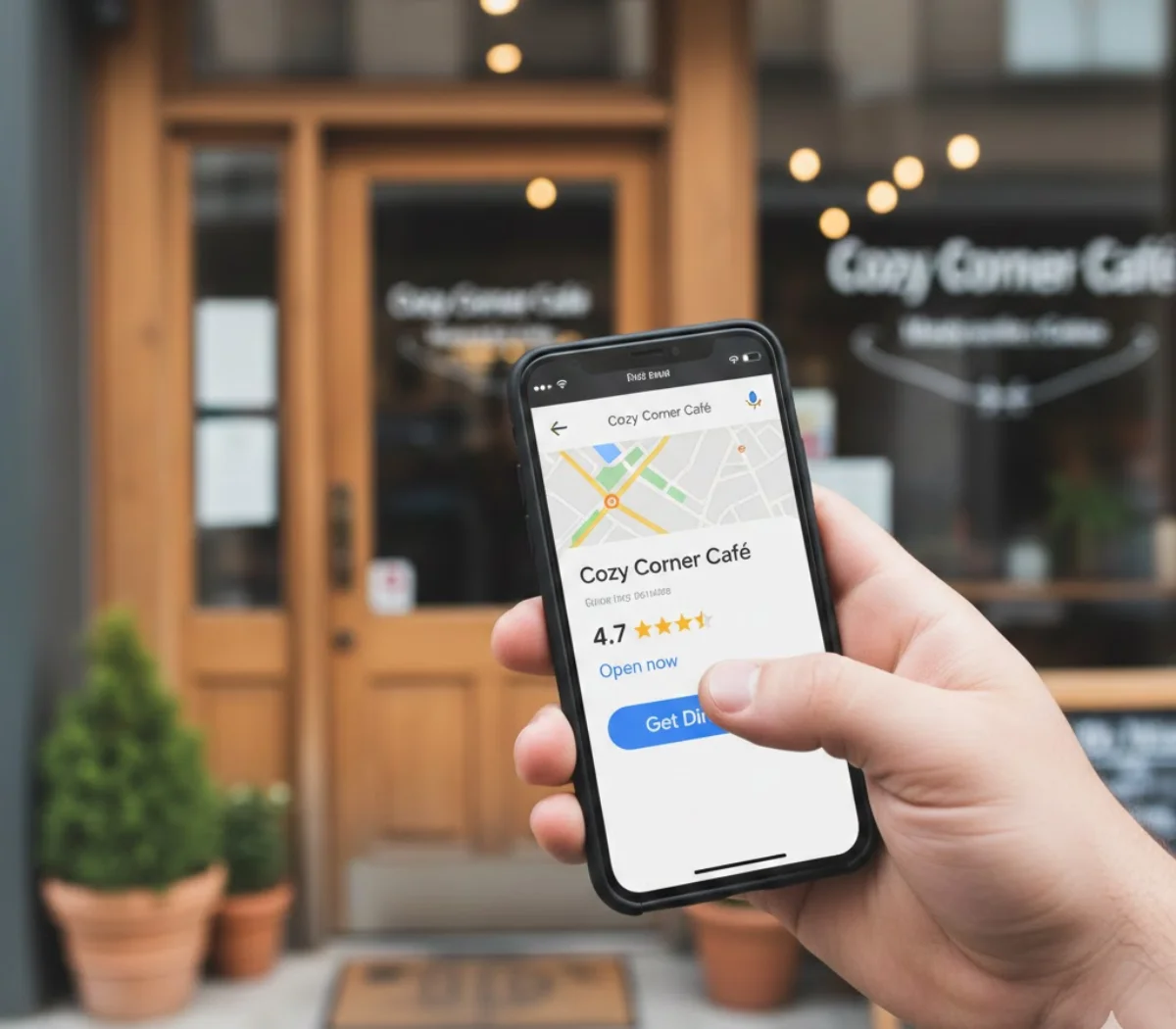
Sometimes, reputation issues occur. Negative reviews or local complaints can hurt a business in no time.
GoMedia replies quickly, maintaining professionalism. Our team tries to solve problems privately first. If needed, we use reputation repair steps like sharing good reviews and posting helpful content.
What Affects Pricing and ROI in Local Search Marketing?
Local SEO pricing varies because it depends on many factors: number of locations, competition, and required services.
GoMedia builds clear scopes. We divide the process into clear stages that start with the audit and high-impact fixes. Then it moves to the next work, like reviews, content, and local links.
How to choose a local SEO partner
Choosing a partner matters because your business growth is highly dependent on the partner. So, when choosing a partner, always look for:
- Clear processes: The agency should simply explain the work.
- Evidence: Case studies and references matter.
- Tools and reporting: The agency should keep the details of performance.
- Local knowledge: Experience with the same city or niche is also helpful.
GoMedia combines all these things. Our team shows local case studies and explains each step as it reduces guesswork for business owners.
How Can Local SEO Boost Seasonal Promotions?
Seasonal offers often boost visibility. So, GoMedia plans seasonal campaigns. We use GBP posts, local ads, and email to run the campaigns. Timing and clear CTAs convert interest into visits.
How often should you review local SEO analytics and reports?
Reporting matters as weekly dashboards and monthly strategy calls helps keep everyone on the same page. So, we provide simple and transparent dashboards. We focus on actions and next steps. So, clients get a clear view of what worked and what will happen next.
Why should we consider GoMedia for local search marketing?
GoMedia blends local knowledge with technical skill. Our team builds clear plans, measures real outcomes, and communicates simply.
We use proven tools like Google, Moz, and BrightLocal. Because these connect software with human judgment, and this combination delivers steady, measurable growth.
How do you get started with local SEO?
- Claim and verify Google Business Profile.
- Fix NAP and make it the same everywhere.
- Update location pages.
- Start a review-generation process.
- Check all listings.
- Improve mobile speed and UX.
- Create small local content pieces.
- Track calls and bookings to see if efforts are working.
This checklist covers the basics. At GoMedia, we handle everything from end to end. Our team can also guide internal teams to handle local tasks.
Conclusion
Local search marketing is practical work. It is steady and measurable. It delivers consistent and clear results.
We help local businesses take practical steps to grow. Our team fixes the basics first. Then it builds trust with content, reviews, and local links. The result is more calls, more conversions, and high revenue.
So, grow your local visibility with GoMedia and convert nearby searches into real customers through a clear strategy and results.
What is local search marketing?
Local search marketing helps businesses appear in searches for a specific place. It focuses on maps, listings, and local intent.
How fast do local SEO results appear?
Small fixes like GBP updates can show results in weeks. Bigger gains, like content and links, usually take months.
Can a small shop beat national brands locally?
Yes. Local relevance and strong GBP can help small shops rank higher in their area than bigger brands in their area.
Do reviews really affect ranking?
Yes. Reviews affect both clicks and local ranking signals. Regular, genuine reviews help a lot.
What does GoMedia do first for a new client?
GoMedia starts with a local audit. The audit includes high-impact fixes and a clear action plan.